
Skip to content
DRENIX
ServicesStartupsProjectsCompanyContact
DRENIX

A ten-floor IT company: development, design, marketing, AI and support for startups.

  • +998 90 000 00 00
  • info@drenix.uz
  • Telegram @drenix

Departments

  • Engineering
  • Design Studio
  • Growth
  • Strategy
  • Launchpad
  • AI Lab
  • Cloud
  • Security
  • Systems
  • Partners

Pages

  • Services
  • Startups
  • Projects
  • Company
  • Contact

Social

  • Telegram (opens in a new tab)
  • Instagram (opens in a new tab)
  • LinkedIn (opens in a new tab)

Tashkent, UzbekistanMonday–Friday9:00–19:00

© 2026 DRENIX. All rights reserved3D models based on work by 99.Miles and webadartist, CC BY 4.0
  1. Home
  2. /Services
  3. /Engineering

Web and mobile development

From a corporate website to a high-load platform. Fast, secure and easy to extend.

Start a projectSee how we work
10Engineering
Timeline
3–12 weeks
Stack
Next.js, Flutter, Go
Format
Project
Warranty
12 months

What Engineering does

Architecture, frontend, backend and mobile apps are built by one team. We agree on the spec and estimate at the start, then show you a working version every two weeks. At the end you get the full source code, server access and documentation.

Who works on this floor

  • Tech leadOwns the architecture and reviews every change
  • Frontend engineerBuilds the web interface
  • Mobile engineerBuilds the iOS and Android apps
  • Backend engineerBuilds APIs, data and integrations
  • QA engineerTests each release by hand and automatically

What you can order

Corporate websites
Next.js and a headless CMS. You edit the content yourself, and pages load in under a second.
Mobile apps
React Native or Flutter. One codebase for iOS and Android, published to the App Store and Google Play.
Backend and APIs
Node.js, Go, Python. Integrations with payment systems, 1C, CRMs and government services.
Online stores
Catalog, cart, Click, Payme and Uzum payments, delivery and inventory.
drenix-shop — page.tsx

PROJECT

▾app
·layout.tsx
·page.tsx
▾checkout
▾components
·Cart.tsx
·Payment.tsx
▾lib
·payme.ts
page.tsxPayment.tsxpayme.ts
1import { Cart } from "@/components/Cart";
2import { createPayment } from "@/lib/payme";
3 
4// Checkout page
5export default async function Checkout() {
6  const order = await getOrder();
7  const link = await createPayment({
8    amount: order.total,
9    currency: "UZS",
10  });
11 
12  return <Cart order={order} payUrl={link} />;
13}

$ git push origin main

✓ Tests passed (48/48)

✓ Deployed to production · 41 s

To start, we need

  • One person who can make decisions
  • Access to current systems
  • Examples of what you like and dislike

You take home

  • Spec and architecture
  • Prototype and UI
  • Development and testing
  • Deployment and monitoring
  • 12 months of warranty support

How we measure the work

  • Sprint goals met
  • Page speed and crash-free sessions
  • Bugs found after release

Tools

  • Next.js
  • React
  • React Native
  • Flutter
  • Node.js
  • Go
  • PostgreSQL
  • Redis

Works with

  • Design StudioFor screens and the design system
  • CloudFor servers and automatic releases
  • SecurityFor checks before launch

Questions

How long does a project take?

A corporate website usually takes 3–6 weeks, an MVP 8–12 weeks. Large platforms are split into stages, and every stage ends with a working result.

Who owns the code?

You do. Source code, server access and documentation are handed over when the project ends.

Floor abovePartnersFloor belowDesign Studio

Book ameeting

At our office or online. In a 30-minute call we review your project and give you a concrete proposal.

  • +998 90 000 00 00
  • Telegram @drenix

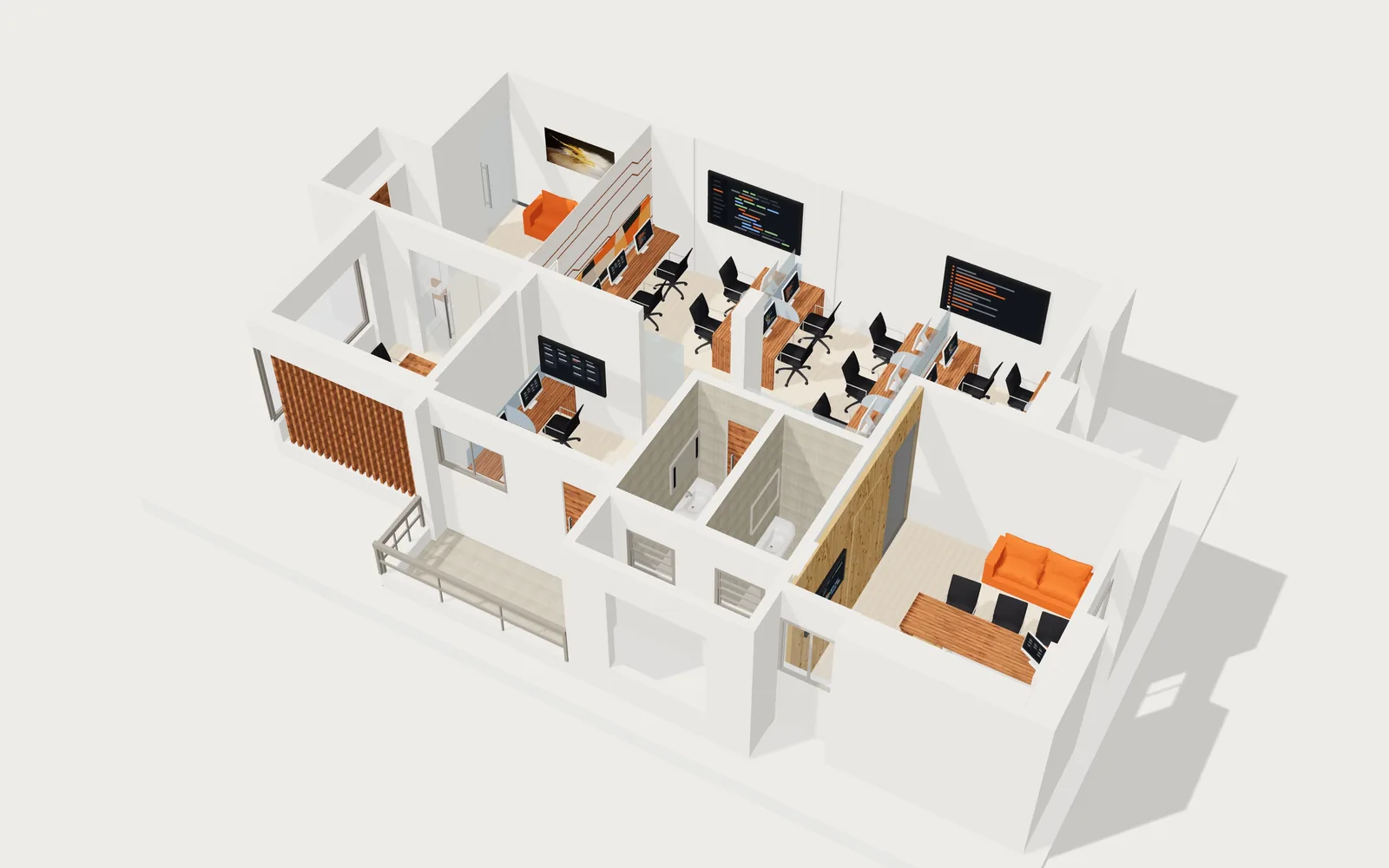
Room by room

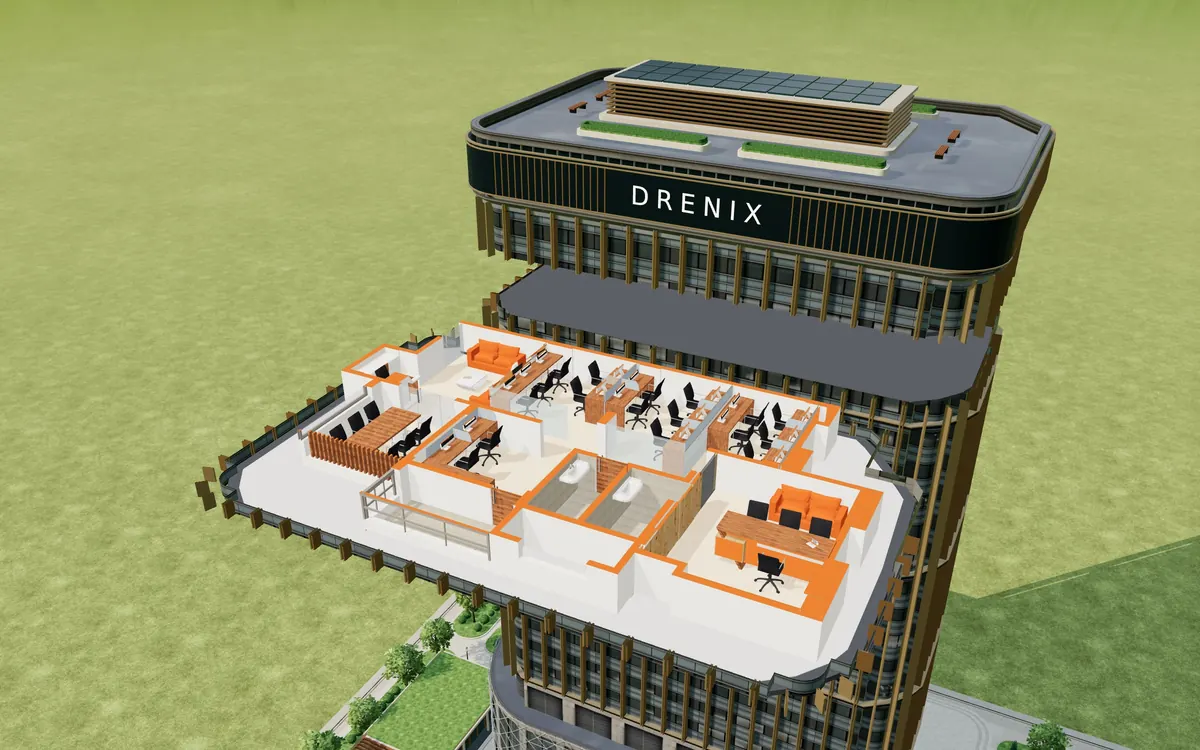
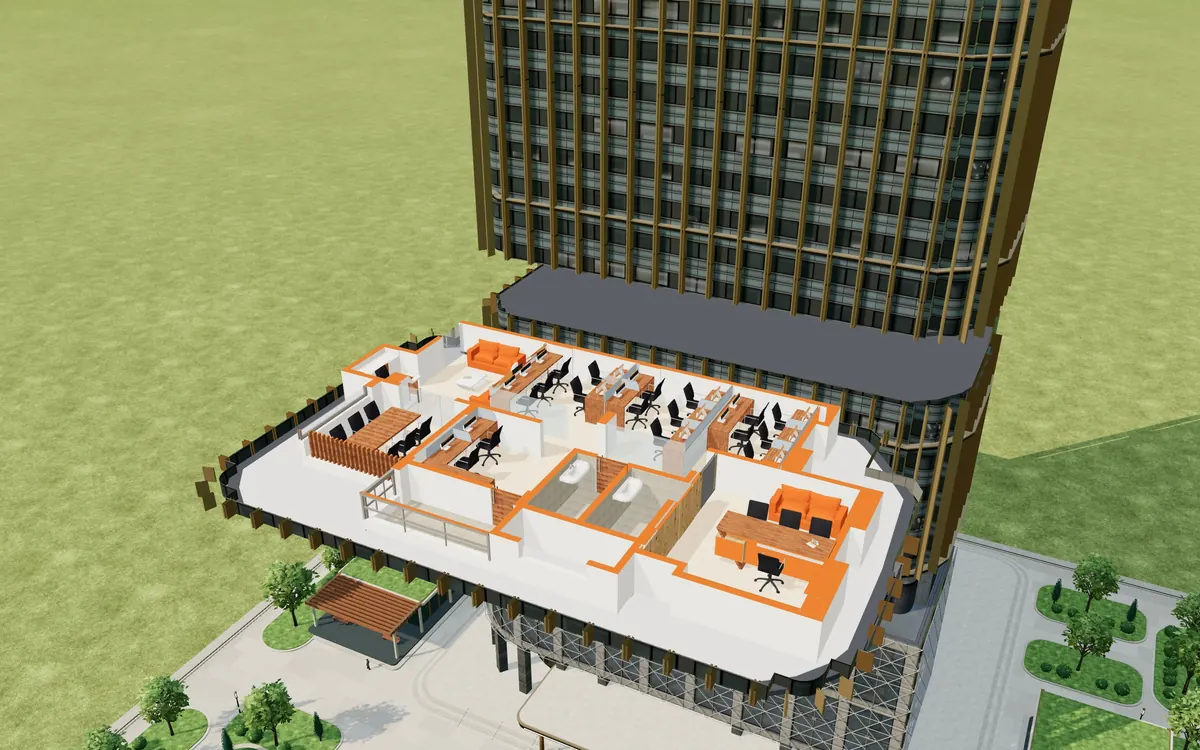
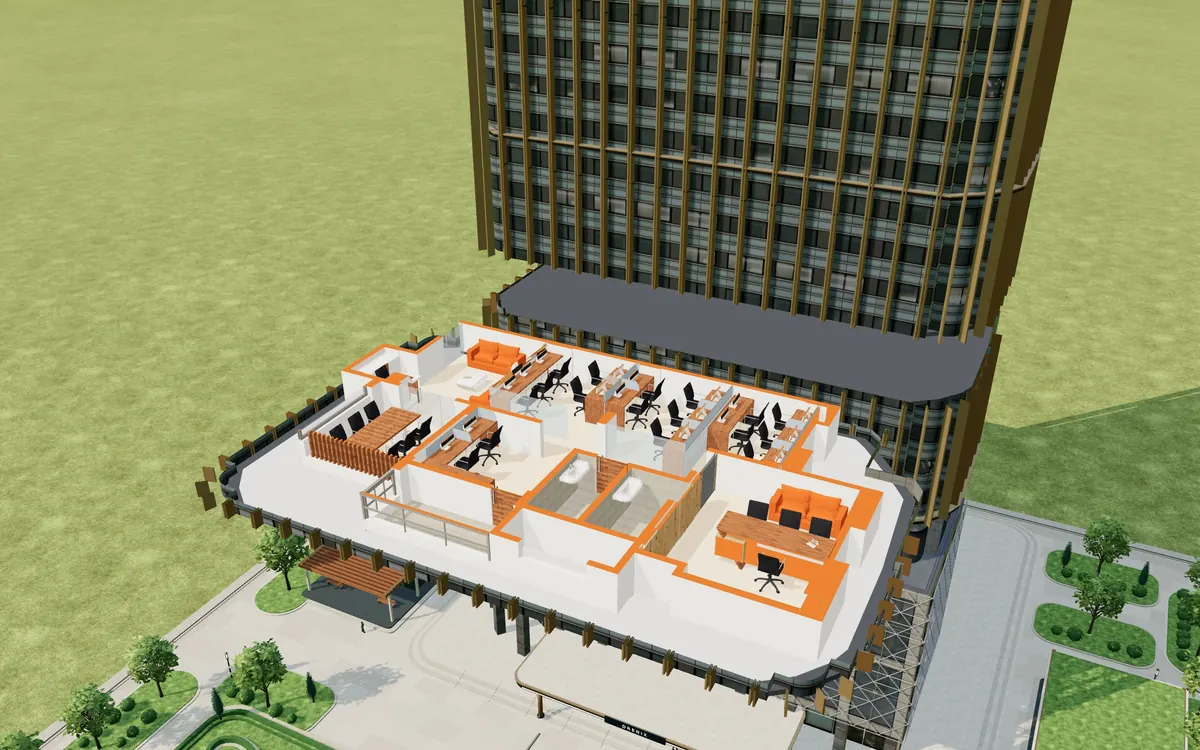
A project crosses the floor from the first talk to the result. Scroll, or pick a room.

ReceptionEngineering

We learn what the product must do

The first talk is about your business, not about technology. We write the goal down in plain words.

  • Agree on users, goals and limits
  • List the systems it has to connect to
  • Get access to what already exists

You get: One-page brief

Planning roomEngineering

Scope, architecture and estimate

We split the product into stages and draw how the parts talk to each other, so the price and the dates stop being a guess.

  • Write user stories and cut the extras
  • Design the data model and integrations
  • Break the work into two-week sprints

You get: Spec and fixed estimate

Prototype roomEngineering

Risky parts are tried first

Before the main build we make a clickable prototype and test anything that could fail later.

  • Clickable prototype of the main flows
  • API contract between apps and server
  • Trial of payments and external services

You get: Approved prototype

Product bayEngineering

Web and mobile are built here

Frontend and mobile engineers sit together, so a screen looks and behaves the same on a phone and in the browser.

  • Web in Next.js and React
  • iOS and Android in Flutter or React Native
  • Code review on every change

You get: Working version every two weeks

Backend and QA bayEngineering

Servers, data and tests

APIs, databases and payments are written here, and every release is checked before it leaves the bay.

  • APIs, database and admin panel
  • Click, Payme, Uzum and 1C integrations
  • Automated tests plus manual checks on real devices

You get: Tested release

Release deskEngineering

Launch and handover

We deploy, watch the first days closely and hand everything over. Nothing is kept from you.

  • Deployment and monitoring
  • Source code, server access and documentation
  • 12 months of warranty support

You get: Live product that you own

Room 1 of 6

Short meeting

30 minutes, free